
Road Name Stories
Discover the fascinating stories and origins behind the road names you see every day.
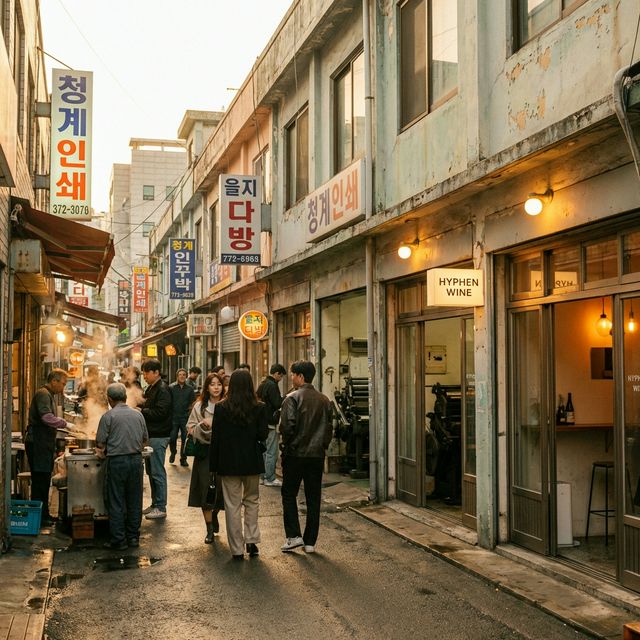
The Spirit of General Eulji Mundeok
Named after General Eulji Mundeok of Goguryeo. Recently popular as 'Hipji-ro', a blend of industrial history and modern vibes.
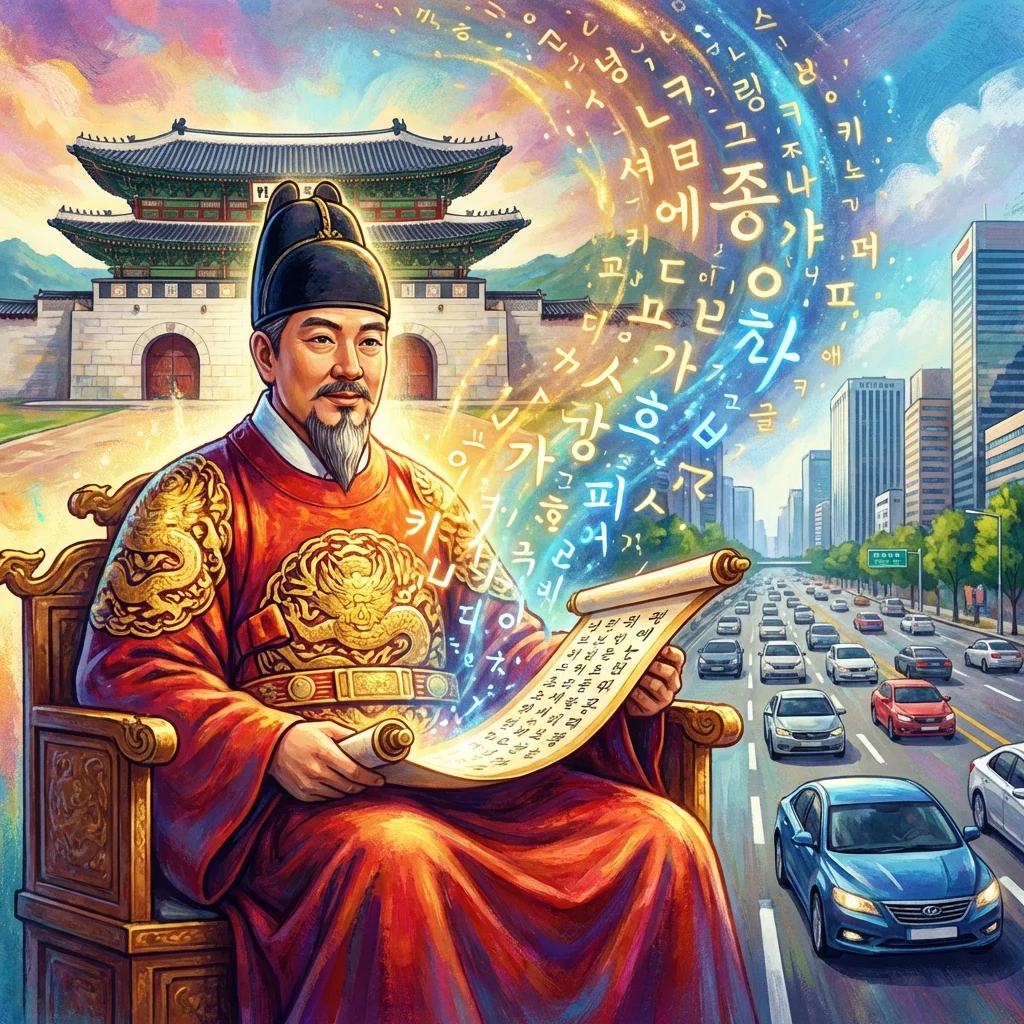
Road of King Sejong the Great
Named after King Sejong the Great. It serves as the historical and administrative heart of South Korea.
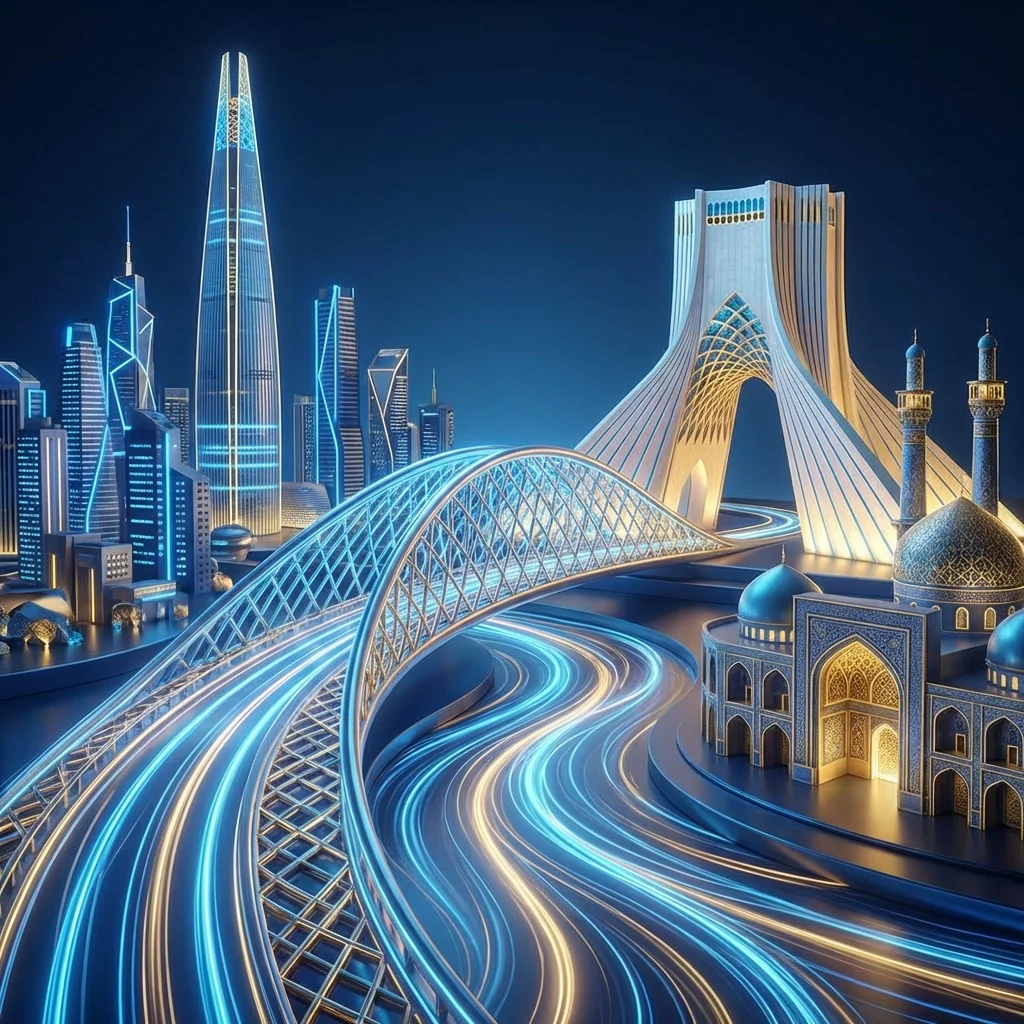
A Bridge of Friendship: Seoul and Tehran
Named in 1977 to commemorate the sister city relationship between Seoul and Tehran. Now the hub of Korea's venture industry.
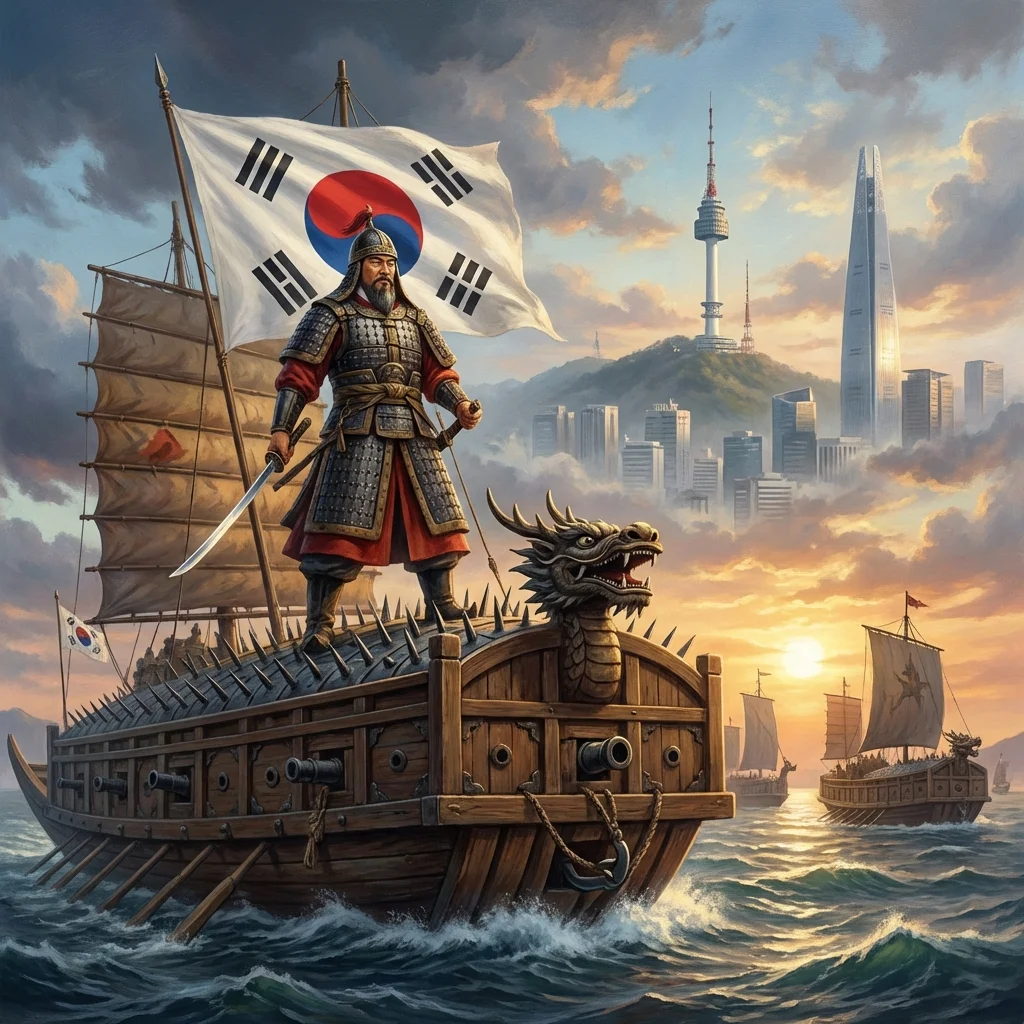
The Spirit of Admiral Yi Sun-sin
Named after Admiral Yi Sun-sin's honorary title. Historically known as the mecca of the Korean film industry.
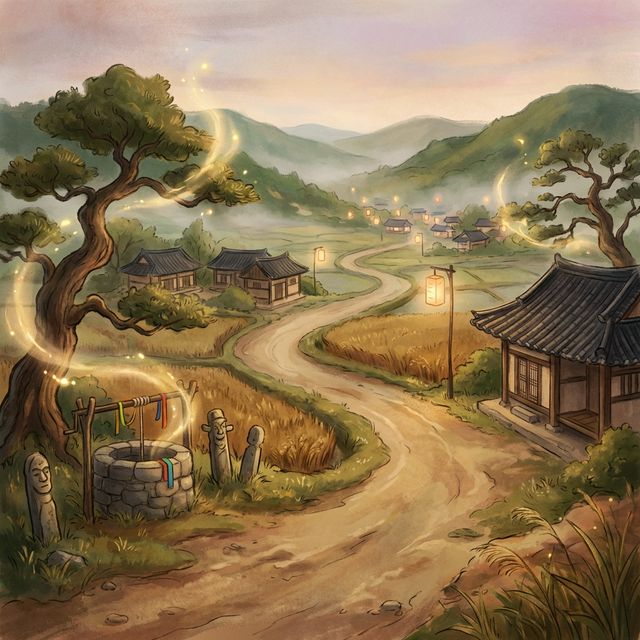
A Road Named After a Fairy Tale
Named to commemorate the actual setting of the Korean folktale 'Kongjwi and Patjwi'. The first road in Korea named after folktale characters.
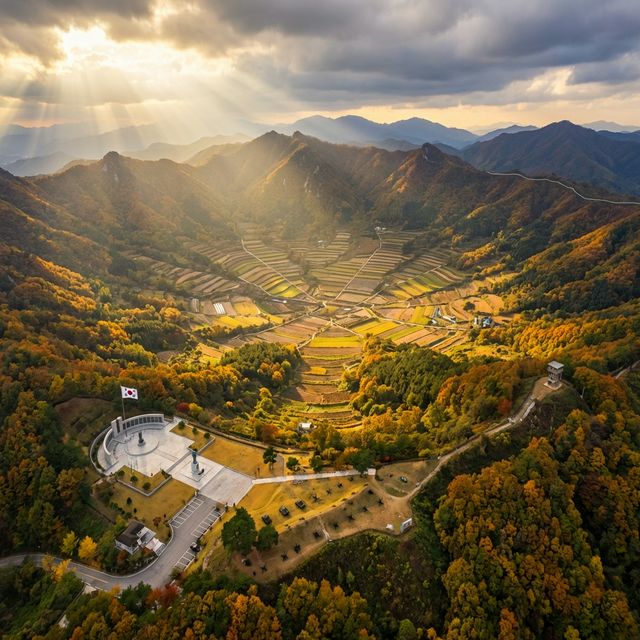
The Punch Bowl: Beauty from Scars
Named by a war correspondent during the Korean War because the basin terrain resembled a punch bowl.
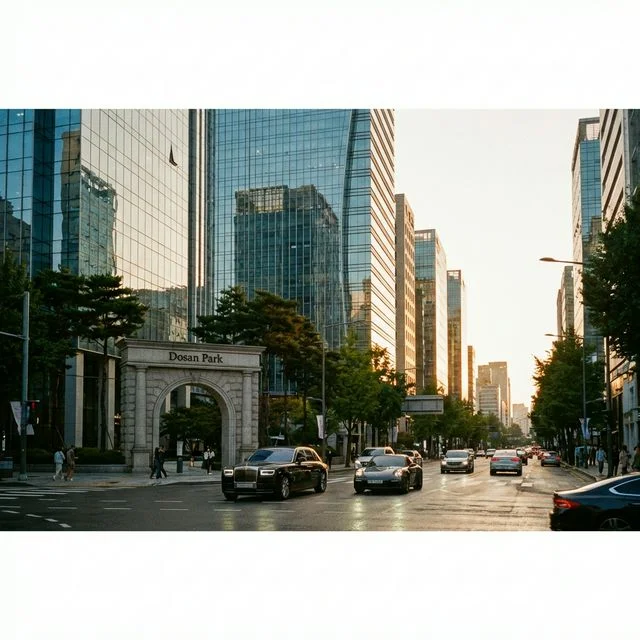
The Road of Dosan Ahn Chang-ho
Named after independence activist Ahn Chang-ho (pen name Dosan). Home to Dosan Park and his memorial hall.
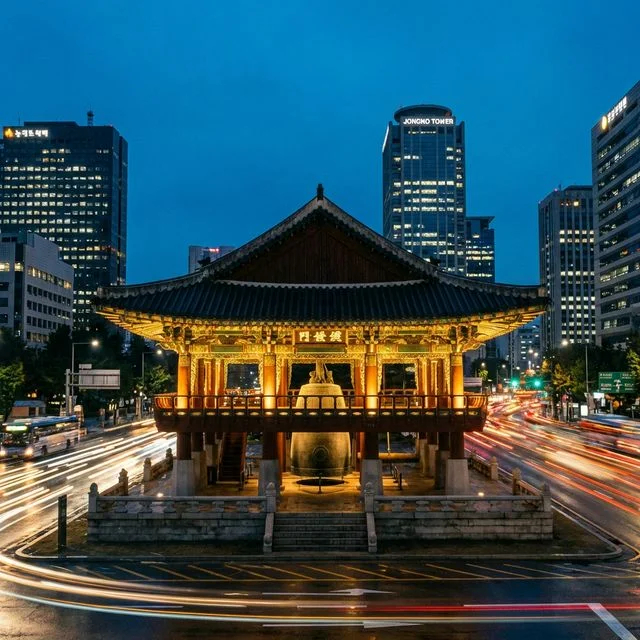
The Street of the Great Bell
Literally 'Bell Street', named after the Bosingak Bell Pavilion. The historic commercial heart of Seoul.
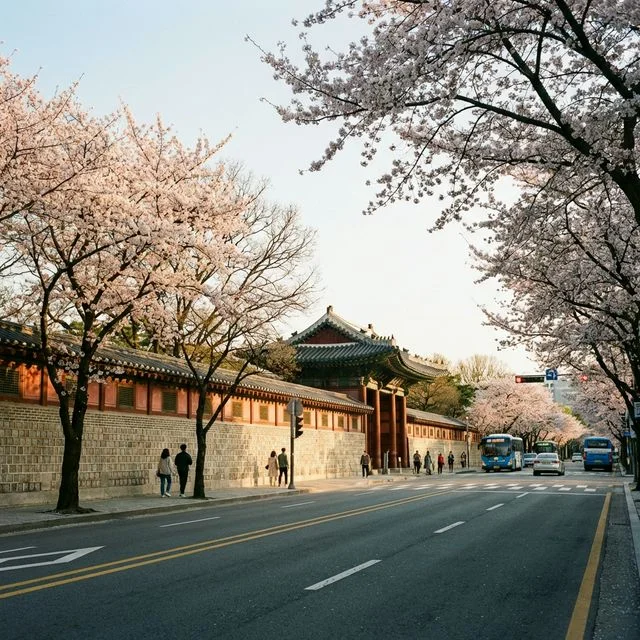
Road of Scholar Yulgok Yi I
Named after Yulgok Yi I, a preeminent Neo-Confucian scholar and politician of the Joseon Dynasty.
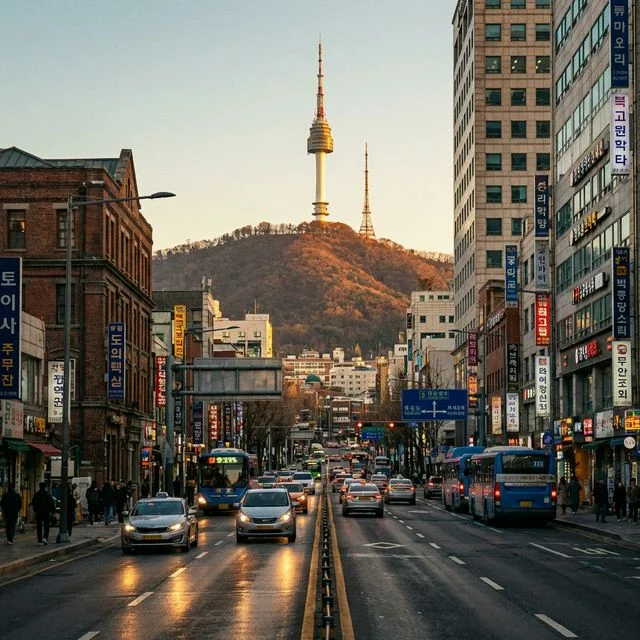
Road of Master Toegye Yi Hwang
Named to honor the scholarly virtue of Toegye Yi Hwang, the great master of Korean Neo-Confucianism.
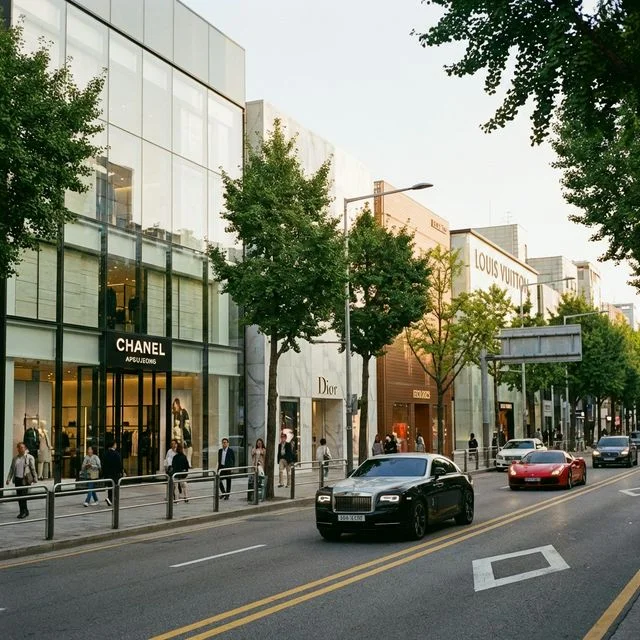
The Pavilion of Han Myeong-hoe
Named after 'Apgujeong', a pavilion built by Han Myeong-hoe. Now synonymous with luxury and fashion.
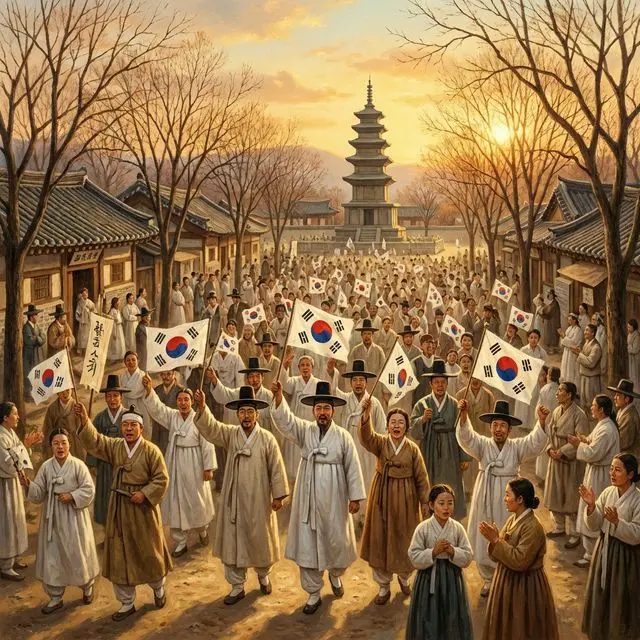
The Road of the March First Independence Movement
Named to commemorate the March 1st Independence Movement of 1919. The Declaration of Independence was read at Tapgol Park along this road.
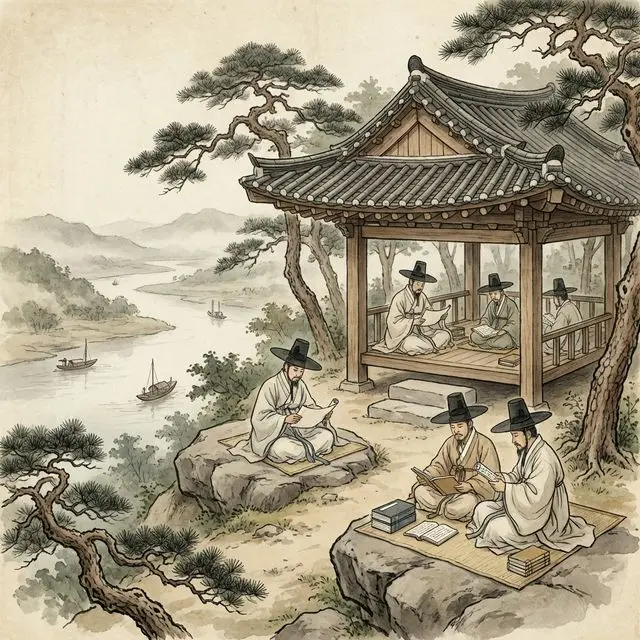
The Road of the Royal Reading Hall
Named after Dokseodang, a royal reading hall where Joseon's brightest young scholars were given paid leave to study and conduct research.
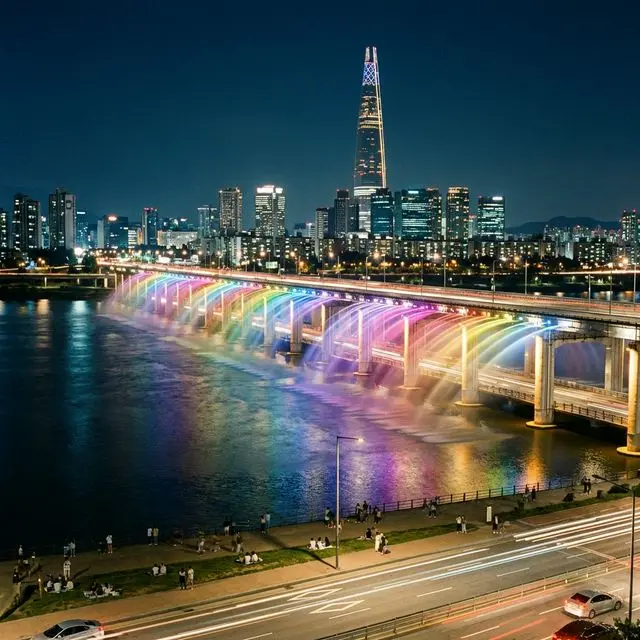
A Street of Law and Arts
Derived from 'Banpo' (meandering river). Home to both the Supreme Court and the Seoul Arts Center.
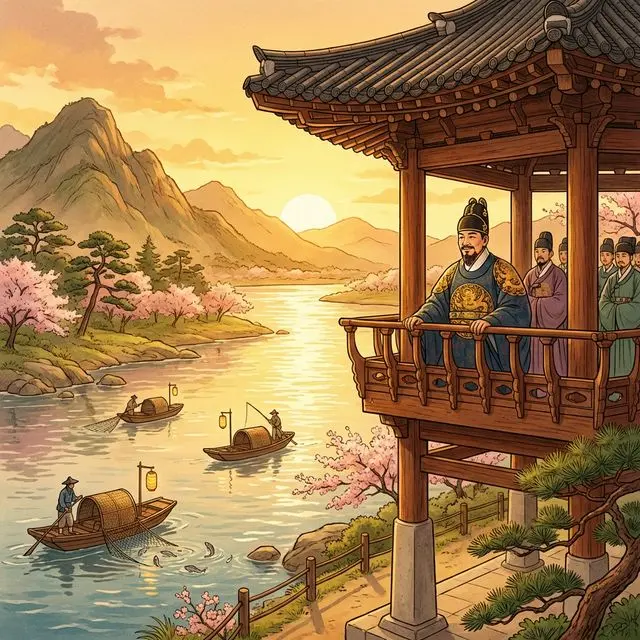
The Trendy Market Street
Named after 'Mangwonjeong', a pavilion belonging to King Sejong's older brother. Now famous for Mangwon Market and 'Mangnidan-gil'.
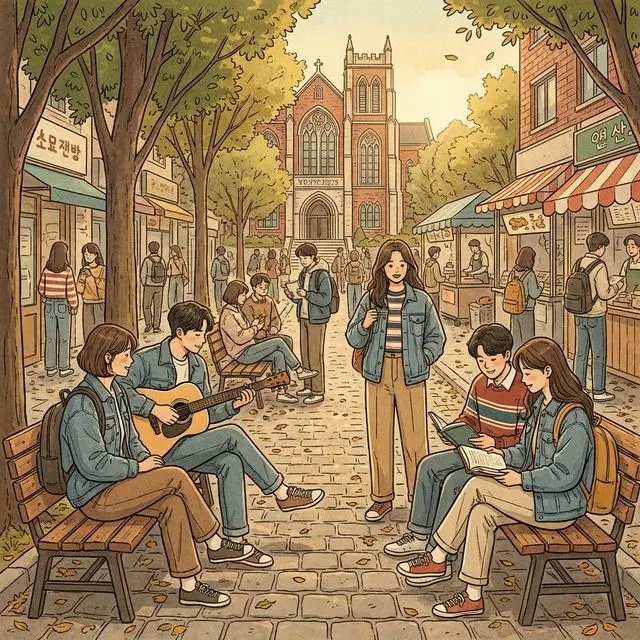
The Crossroads of Youth and Romance
Means 'New Village', dating back to the founding of the Joseon Dynasty. The iconic center of university culture, connecting Yonsei, Ewha, and Sogang universities.

Alley of Brushes and Tradition
The heart of Korean traditional culture and art, lined with antique shops, art galleries, and traditional teahouses.

The Road of the Rock-Carrying Skirts
Located near Haengjusanseong Fortress, the site of the Battle of Haengju, one of the three great Korean victories of the Imjin War.
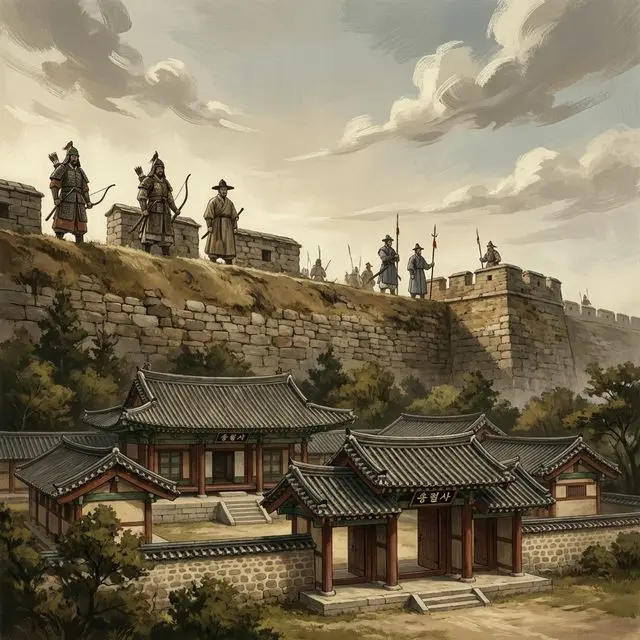
The Shield of Resistance and Loyalty
Named after Dongnae, the historical center of Busan and the site of the first major siege of the Imjin War.
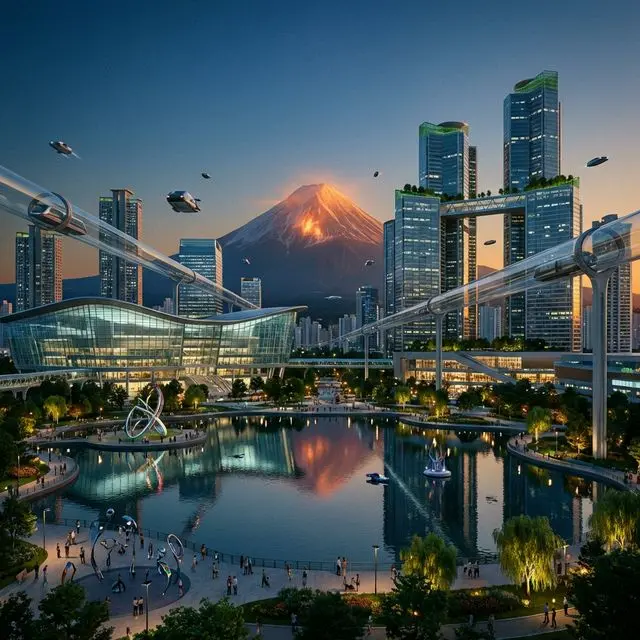
A Stage of Innovation Emitting Broad and Bright Learning
Runs through the Gwanggyo New City in Suwon. 'Gwanggyo' means 'Broad Teaching', a name bestowed by the founder of the Goryeo Dynasty.

The Valleys of Poor but Proud Scholars
Named after the Namsangol valley, where poor but stubbornly principled scholars of the Joseon Dynasty used to live.