
Road Name Stories
Road of Scholar Yulgok Yi I
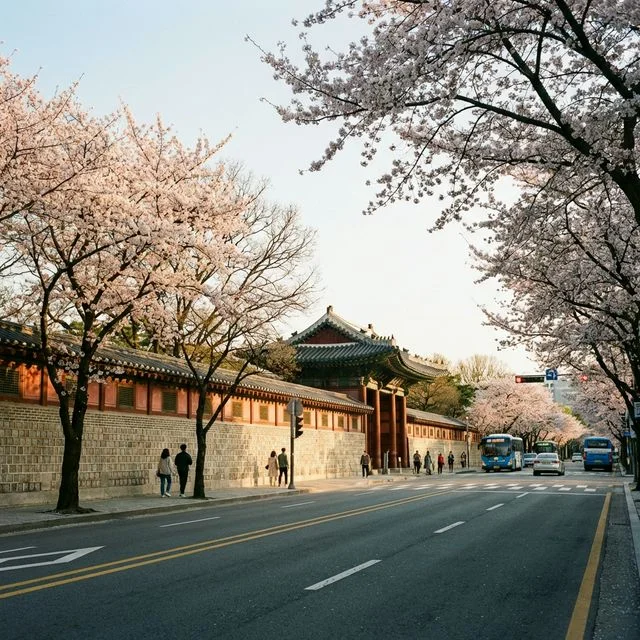
Yulgok-ro is named after Yi I (1536–1584), known by his pen name Yulgok (栗谷, "Chestnut Valley"), one of the two towering figures of Korean Neo-Confucianism alongside his older contemporary Yi Hwang (Toegye). The road runs past Changdeokgung Palace and Jongmyo Shrine—fitting surroundings for a scholar who shaped how Joseon's rulers thought about governance.
Yi I was considered a prodigy from childhood, and the record bears it out: he passed the civil service examination with top honors nine separate times, earning the nickname Gudo Jangwongong (九度壯元公, "Lord of Nine First Places"). No one in Joseon history matched this feat. He began preparing for the exams at age seven and never stopped refining his thinking.
But Yi I was not merely an academic. He was a deeply practical reformer who understood that scholarship had to serve society. He argued for the 10-Wan Army Policy—proposing that Joseon train 100,000 soldiers in anticipation of Japanese invasion—a warning dismissed by the court that proved tragically prescient when the Imjin War broke out eight years after his death. He also developed the Sach'ang system, a community grain-lending program to help peasants survive famine. His major work, Seonghak Jipyo (聖學輯要, "Essentials of the Learning of the Sages"), was a practical manual for ethical rulership presented directly to King Seonjo.
Yi I lived in the Insa-dong area near this road—an appropriate connection that led to the street being named in his honor. He appears on the South Korean 5,000-won banknote; his mother, the painter and poet Shin Saimdang, appears on the 50,000-won note. They are the only mother-and-son pair to share currency in Korean history.
References
Explore every address on Yulgok-ro
Get the official road addresses and zip codes instantly.